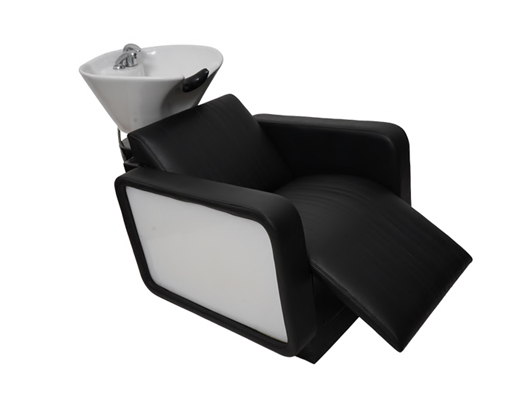
Modern professional grooming environments demand equipment that supports both the client experience and the working rhythm of the service provider. A well-designed shampooing unit must do more than look premium. It needs to integrate comfortable positioning, practical access, dependable operation, water-handling considerations, and a construction approach suitable for repeated commercial use.
The Inox Electric is designed around these practical requirements, providing a dedicated solution for professional salon and spa environments where comfort, functionality, and presentation need to work together. Its electric configuration adds controlled powered adjustment, allowing operators to create a more suitable working position while maintaining a polished appearance within the interior.
For businesses planning a new salon, upgrading an established facility, or specifying furniture for a larger commercial project, the choice of equipment should be based on workflow as much as appearance. This unit fits into that approach by combining service-oriented design with the manufacturing considerations expected from professional furniture.
A shampooing area experiences a different type of workload from ordinary seating. It is exposed to water, moisture, hair products, cleaning chemicals, repeated client movement, and continuous operator interaction.
The construction therefore has to account for more than visual styling.
The design approach considers important practical factors such as:
These considerations become particularly important in commercial environments where furniture may be used repeatedly throughout the working day.
Powered adjustment can make a meaningful difference in a professional service environment. Instead of relying entirely on manual positioning, an electric mechanism allows the operator to adjust the unit according to the requirements of the service and the client's position.
Controlled movement can help reduce unnecessary repositioning and make transitions between different working positions more convenient.
For the service professional, this can support a smoother workflow. For the client, appropriate positioning can contribute to a more comfortable experience during washing, treatment, rinsing, or other associated services.
The value of powered furniture is therefore not simply the presence of a motor. The important consideration is how the movement system integrates with the overall structure, seating geometry, upholstery, and working process.
Client comfort is closely connected to the geometry of professional furniture. During a wash or treatment, the body remains relatively stationary, making support and positioning especially important.
The seating area needs to provide appropriate contact and stability without creating unnecessary pressure points. The surrounding form should also allow the operator to perform routine tasks without repeatedly adjusting the client's position.
For commercial operators, this becomes part of the customer experience. A comfortable service environment can influence how clients perceive the quality and professionalism of the entire establishment.
The design therefore balances visual appeal with practical ergonomics rather than treating appearance as the only priority.
Commercial furniture requires a different manufacturing mindset from ordinary residential seating. Components must work together under repeated loading, movement, cleaning, and environmental exposure.
Fabrication typically involves coordinated work across structural components, upholstery, finishing, mechanical elements, and final assembly. Each stage affects the performance of the finished product.
Structural alignment is particularly important where powered movement is incorporated. The frame and moving components must operate together without unnecessary interference. Upholstery must accommodate the intended geometry while maintaining a clean finished appearance. Finishing processes also need to produce surfaces that are suitable for a demanding professional environment.
Quality control at the assembly stage is equally important. Movement, alignment, fit, surface finishing, and component integration should be checked before the furniture is placed into commercial service.
This manufacturing-led approach helps distinguish professional equipment from furniture designed primarily for occasional domestic use.
The unit brings together several features intended for professional environments:
The combination is particularly useful when a business wants furniture that contributes to the overall interior rather than functioning as an isolated piece of equipment.
Selecting the right furniture can influence several aspects of day-to-day operation.
Improved service positioning: Controlled adjustment can help staff establish a more appropriate position for different clients and services.
Better customer experience: Supportive seating and considered positioning can make wash-area services more comfortable.
More organised workflow: Purpose-built equipment allows the service area to be arranged around the actual sequence of professional tasks.
Professional presentation: Well-coordinated furniture contributes to the visual identity and perceived quality of a commercial establishment.
Practical maintenance: Furniture intended for professional environments can be selected with routine cleaning and operational exposure in mind.
Long-term commercial value: The right equipment should be evaluated not only by purchase price but also by usability, service frequency, maintenance requirements, and suitability for the intended environment.
This furniture can be considered for a variety of commercial settings where dedicated washing and treatment facilities are required.
Independent studios can use dedicated equipment to create a more complete client-service environment while making better use of available floor space.
Larger establishments can incorporate multiple units into a planned wash section, allowing the furniture layout to support client flow and staff movement.
Businesses focused on a higher-end customer experience can use coordinated furniture to create a consistent and professionally designed service environment.
Where washing, preparation, or related treatments form part of the service sequence, appropriately designed furniture can support both comfort and operational efficiency.
Interior designers, contractors, hospitality developers, and salon project planners can consider purpose-built equipment when specifying furniture for new-build or renovation projects.
Commercial buyers should look beyond photographs when selecting professional furniture.
Consider the available floor area, service workflow, electrical access, plumbing arrangement, cleaning routine, client profile, expected daily usage, and overall interior concept before finalising a purchase.
The surrounding installation is also important. Adequate clearance should be maintained for staff movement and routine maintenance. Electrical and water-related connections should be planned by qualified professionals according to the installation environment and applicable safety requirements.
For larger projects, purchasing decisions should also account for consistency across multiple units, delivery coordination, installation requirements, after-sales support, and future maintenance.
This project-level thinking helps businesses avoid selecting furniture that looks suitable in isolation but performs poorly once installed within the actual working environment.
Choosing a professional furniture manufacturer is ultimately about confidence in the complete process, not just the finished appearance.
Our approach focuses on understanding how salon and spa furniture is actually used. From structural construction and upholstery integration to powered functionality and final assembly, each component has a role in determining the performance of the finished unit.
We support commercial buyers looking for furniture that combines practical usability with a refined professional appearance. Our broader product range also allows businesses to coordinate different categories of salon and spa furniture around a consistent project requirement.
For buyers in Gurugram, Delhi NCR, and other Indian markets, local project relevance can make communication, product selection, coordination, and commercial planning more straightforward.
Professional furniture should earn its place in a commercial environment through everyday performance. Comfort, usability, construction quality, powered functionality, maintainability, and visual presentation all contribute to that value.
The Inox Electric brings these considerations together in a purpose-oriented design suitable for modern professional service environments.
Whether you are developing a new salon, renovating an existing facility, planning a spa interior, or specifying furniture for a commercial project, the right equipment should be selected according to the actual demands of the operation.
For product availability, project requirements, customisation discussions, and commercial enquiries, connect with our team to discuss your application and furniture requirements.

