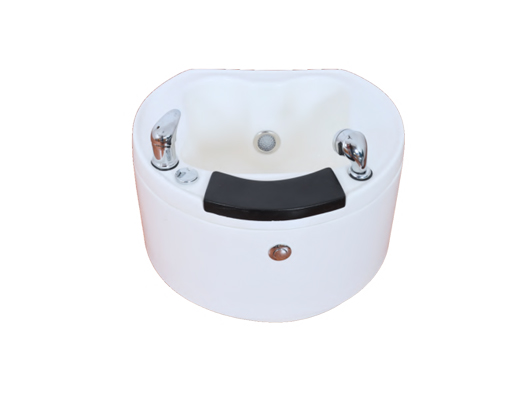
A well-planned pedicure area needs to balance hygiene, operator comfort, water management, customer experience, and efficient use of floor space. In many salons and spa environments, a permanently installed basin is not always the most practical choice. Space limitations, changing layouts, rental properties, treatment-room flexibility, and multi-service interiors can all create a need for a more adaptable solution.
This professionally designed pedicure unit is developed around those practical requirements. Its compact form allows businesses to create a dedicated foot-care setup without committing excessive floor area to permanent plumbing fixtures. The integrated water-control and drainage arrangement also helps make routine service operations more manageable.
For salon owners, spa operators, interior contractors, and commercial furniture buyers, the value of such equipment is not simply its appearance. The real consideration is how effectively it supports repeated daily use, cleaning routines, water handling, therapist movement, and the overall workflow of a professional treatment environment.
A pedicure station becomes part of the working infrastructure of a salon. Its position affects how the therapist approaches the client, how water is introduced and removed, where accessories are kept, and how quickly the area can be cleaned between appointments.
The compact construction makes the unit suitable for environments where every square foot has to be considered carefully. It can be incorporated into smaller treatment rooms, boutique salons, dedicated nail-care areas, hotel spas, beauty studios, and other professional settings where flexibility is important.
The design also keeps operational controls accessible to the user. Water flow can be managed externally, while the integrated arrangement helps reduce unnecessary movement around the treatment area.
Water handling is one of the most important functional aspects of a pedicure setup. A professional unit needs to make filling, controlling, and emptying the basin straightforward.
The integrated hot-and-cold mixing arrangement allows the operator to manage incoming water temperature according to the treatment requirement. An externally positioned control provides convenient access without requiring the therapist to reach into the basin area.
A pull-out shower arrangement further supports controlled filling and cleaning. It can also make rinsing the basin after service more convenient, helping staff maintain a cleaner treatment environment.
The drainage mechanism is designed for simple operation, allowing used water to be released without complicated manual handling.
The unit combines several practical elements intended for repeated salon operation.
These features are particularly relevant for businesses that want professional functionality without installing a large, permanently fixed treatment structure.
Commercial beauty spaces rarely have unlimited floor area. A larger installation can reduce circulation space, interfere with other services, or make future layout changes more difficult.
A compact treatment unit gives designers greater flexibility when planning the relationship between seating, therapist movement, storage, electrical points, water connections, and customer circulation.
This becomes especially useful in:
For project planners, the advantage is not merely saving space. Better space utilization can allow additional treatment capacity without making the environment feel overcrowded.
Pedicure equipment is exposed to water, skin-care products, cleaning solutions, and frequent handling. Consequently, the usability of a unit depends heavily on how easily staff can clean and maintain the working area.
Smooth, accessible surfaces and practical water-management arrangements can simplify routine cleaning. The pull-out shower is particularly useful for rinsing the basin after treatment and supporting regular housekeeping procedures.
Professional operators should establish cleaning and disinfection procedures appropriate to their local health and sanitation requirements. Equipment design can support these procedures, but consistent staff practices remain essential for maintaining a hygienic treatment environment.
A successful pedicure service depends on more than completing the treatment. The surrounding environment influences how customers perceive the quality of the business.
A carefully integrated treatment unit can contribute to a cleaner visual environment and a more organized service area. Optional colour-changing illumination can also be used to create a softer ambience during wellness-oriented treatments.
For premium salons and spas, these details can help transform a functional treatment area into a more intentional customer experience.
Not every professional beauty business operates in the same way. Some have large dedicated treatment rooms, while others work with compact spaces and changing service layouts.
This type of equipment can be considered when the business needs:
It can also be evaluated by architects, interior designers, hospitality procurement teams, and salon project contractors during new-build and renovation projects.
The commercial value of a well-designed treatment unit comes from the combination of operational practicality and customer-facing presentation.
The compact footprint can help businesses organize treatment areas efficiently while preserving useful circulation space.
Integrated controls, filling, and drainage functions reduce the need for improvised arrangements that can complicate daily operations.
A purpose-designed unit creates a more professional appearance than makeshift or residential-style solutions.
Its compact format gives interior planners more options when working with limited or evolving floor plans.
Optional lighting functionality can contribute to a relaxing treatment environment when used appropriately.
Accessible water-handling components and a treatment-focused design can support routine cleaning and housekeeping workflows.
Professional salon furniture requires a different mindset from ordinary residential furniture. Products used in commercial environments experience repeated handling, frequent cleaning, moisture exposure, and considerably higher usage cycles.
Manufacturing therefore involves attention to structural assembly, component integration, finishing quality, functional accessibility, and the relationship between individual components. Water-related elements must also be incorporated carefully so that the finished unit functions as a coordinated treatment station rather than simply a basin placed within furniture.
Quality control should extend beyond visual inspection. Functional checks, assembly verification, finish assessment, fitting alignment, and inspection of operating components are important before equipment reaches a professional installation.
This manufacturing perspective is particularly important for commercial buyers purchasing equipment for multiple locations or larger salon projects.
Choosing treatment equipment should always begin with the actual operating environment. Buyers should consider available floor area, plumbing provisions, therapist movement, cleaning procedures, customer comfort, expected usage, interior design, and future service requirements.
A compact integrated solution can be especially valuable where flexibility and efficient space planning are priorities.
Rather than treating the unit as an isolated piece of furniture, it should be evaluated as part of the complete treatment workflow—from preparing the station and managing water to completing the service and restoring the area for the next customer.
Dalmore approaches salon and spa furniture with an understanding that professional equipment has to work reliably within real commercial environments. Our manufacturing capability covers a broad range of salon, spa, grooming, and treatment furniture, allowing individual products to be considered as part of a complete interior solution.
We focus on practical construction, functional design, professional finishing, and customization requirements where applicable. Our experience with commercial furniture enables us to understand the demands of salon owners, interior designers, project contractors, hospitality businesses, and institutional buyers.
For businesses developing a new treatment area or upgrading an existing facility, the objective is straightforward: provide equipment that looks appropriate, supports daily operations, and integrates naturally into the professional environment.
A successful treatment space combines functionality, hygiene, comfort, efficient water management, and thoughtful interior planning. The right equipment can help businesses use available space more effectively while creating a professional experience for both therapists and customers.
If you are planning a new salon, spa, hotel wellness facility, or commercial beauty project, discuss your space, operational requirements, and furniture expectations with our team. We can help you evaluate the appropriate configuration and develop a solution aligned with your project requirements.

